Using tetraploid perennial ryegrass
Tetraploid perennial ryegrasses (e.g. 4front) are more palatable, easier to graze and can increase per animal and per ha performance.
Tetraploid perennials do not suit every farm - they are less robust and need good management to persist. Mixing tetraploids with diploids can work well (see Mixing tetraploid & diploid ryegrass)
Benefits of tetraploids
Tetraploid perennial ryegrasses are a powerful tool to increase animal production. Dairy farmers typically find milk production rises on tetraploid paddocks, and lamb finishers achieve faster LWG. Advantages of tetraploids vs. diploids include:
- Animals love them.
- Higher per head performance.
- Higher covers, and increased DM yield, because tetraploids remain palatable longer.
- Better environmental outcomes.
- Higher utilisation, driving better per ha production.
- Higher ME (by 0.25 MJ ME/kg DM) and WSC content than diploids.
BUT not for all systems
Tetraploids don't suit all systems. They are more palatable, with fewer tillers than diploids, so they need to be better looked after to persist well. Tetraploids are less suited to:
- Wet farms with heavy soils - they are more susceptible to treading damage.
- Large farms where the owner(s) want every paddock the same to keep the system simple.
- Difficult, dry situations where persistence is the key requirement (a robust diploid cultivar will probably suit best).
- Farms with very high Argentine stem weevil (ASW) damage; ASW prefer tetraploids.
Getting the best out of tetraploids
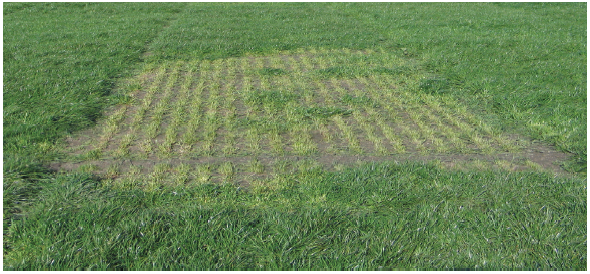
Tetraploids need extra care to avoid pugging or treading damage by cattle, especially when stock are grazing behind break fences. During extended dry periods, avoid prolonged setstocking or repeated grazing with all ryegrasses, but particularly with tetraploids. Their palatability means they can be easily over grazed.
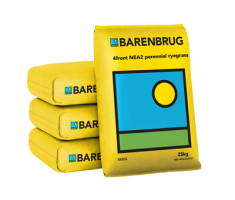
4front
-
Best of the best
-
Unbeaten in National Forage Variety Trials
-
Superior year-round growth