
Seasonal priorities – Preparing for dry summers
Extended dry summers are the big killer of New Zealand pastures. We can’t control the weather, but we can do things that will help as many paddocks survive as possible. The result is lower costs and a farm that bounces back from drought much quicker.
Spring
Daughter tillers
Spring is the most important time for drought management. Your aim here is to set up a robust, well tillered pasture prior to summer.
A well tillered pasture is more likely to survive a dry summer. For grasses, management through spring is particularly important, because plants are vulnerable to stress as they change from vegetative to reproductive and back to vegetative growth. Most grass tillers go to seed and die in spring, and the pasture relies on new ‘daughter’ tillers to survive. These daughter tillers strongly influence summer survival and autumn growth.
Consistency is key
During this time, keep pasture covers consistently in your optimal grazing range (see Principles of ryegrass growth).
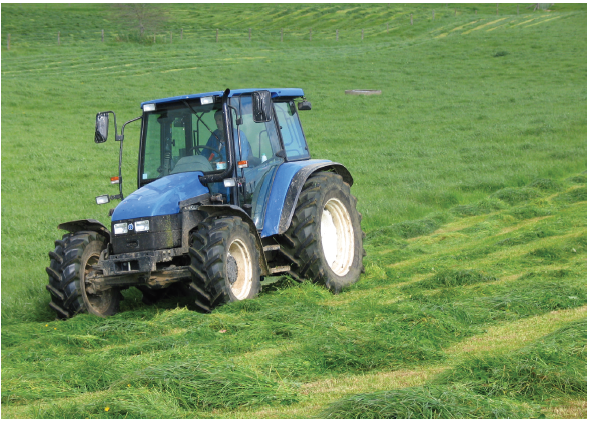
Late spring usually means surplus pasture growth. Good management strategies at this time include removing paddocks from grazing to sow crop; making light cuts of silage or hay (see Making great silage); mowing pasture pre or post grazing or buying extra animals.
The worst thing you can do at this time is make heavy crops of silage or hay. This shades and kills new daughter tillers. If conditions turn dry at this point, you have a big problem (see photos in Making great silage).
Summer
Avoid overgrazing
Goals over summer? Avoid overgrazing, increase feed supply and reduce feed demand.
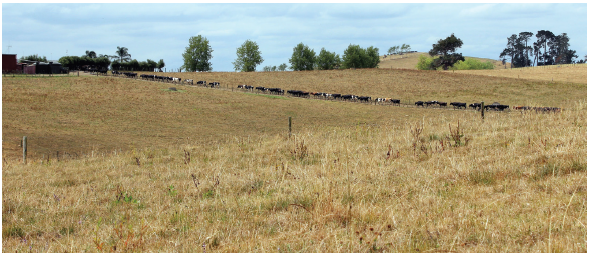
During extended dry periods, growth and options are limited, and your priority is simple: Protect high value pastures so they will survive and re-grow once rain comes.
Minimise the risk
The biggest risk is overgrazing, i.e. grazing below the normal residual, which removes the (above-ground) plant reserves. This comes from the tension between continued animal feed requirements and poor pasture growth. Overgrazing can kill pastures and encourages weeds.
Make sure you have a plan to protect your most valuable pastures from overgrazing. One tactic is on-off grazing, where animals are removed from pasture when the desired post-grazing residual has been achieved, and put onto to a feed pad, crop stubble, lower value paddocks, or paddock(s) earmarked for renewal.
Having strategies to lift feed supply (e.g. supplements and crops) or reduce feed demand (e.g. selling trading stock or culls, OAD milking) are also critical to keep animals fed and protect pastures from overgrazing through dry periods (see Big picture - what’s your strategy?).
Once it rains
Be patient
The key challenge is to be patient, and allow pastures to recover before grazing.
Once pastures receive significant rainfall, you must allow them to recover before grazing. Continue your dry weather management strategies while pastures slowly start growing again.
Ryegrass pastures can only be grazed when ryegrass plants have produced 2.5-3 leaves per tiller, i.e. when plant energy reserves are replenished for good regrowth (see diagram Principles of ryegrass grazing). Grazing prior to this weakens and may kill recovering pastures.
Fixing dead pastures
For dead pastures, or those sacrificed during summer (to look after others) under sowing can be a useful tool (see Renewal methods). Depending on feed requirements, hybrid, Italian and annual ryegrasses provide fast feed to aid recovery.