Nitrate poisoning
Nitrate poisoning is caused by high nitrate levels in feed and is usually a problem in late autumn or winter, particularly during a flush of growth after a dry summer.
Sheep, cattle, deer and goats can all be affected. Cattle are the most susceptible and sheep the least so. Nitrate poisoning can occur with short term ryegrasses, oats, brassicas and occasionally other new pastures with a rapid growth rate.
Symptoms
Cattle can start to show signs of poisoning 1-8 hours after consuming toxic levels of nitrate. The onset of symptoms is rapid and these include: animals appearing weak and staggering, gasping for breath, and rapid deterioration often leading to death. If symptoms are detected early, animals can be treated. However, nitrate poisoning is usually fatal. Remove affected animals from the toxic feed source immediately.
How can nitrate levels be managed?
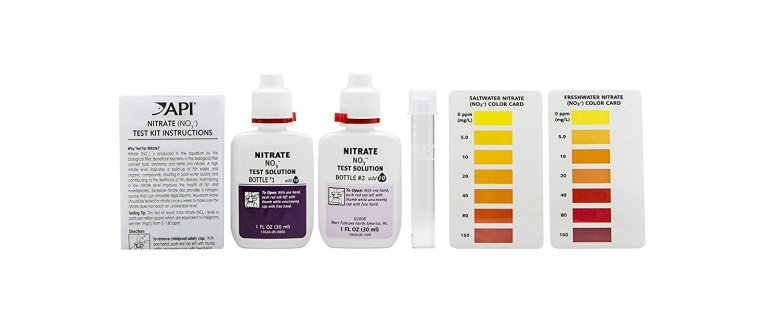
If in doubt, nitrate test pastures and crops, particularly in autumn before the first grazing of short-term ryegrass or cereals. Results are usually available in a few hours. Nitrate tests are performed at most animal health laboratories and some vets also sell test kits.
Poisoning is most likely when animals eat high volumes of grass or crop with elevated nitrate levels. Don’t put hungry animals onto such feed. Before grazing a potentially toxic paddock, feed them silage, hay or something else low in nitrate concentration first. Limit their grazing time, too. Animals can tolerate moderate levels of nitrate, if they eat the feed slowly.
If possible, graze problem crops with older animals. They are less susceptible to nitrate poisoning than young ones. Crop nitrate levels are usually lower late in the afternoon, particularly on sunny days. Nitrogen fertiliser can exacerbate nitrate levels. If high nitrates are a concern, either avoid applying N fertiliser or apply it in small amounts (20-30 kg N/ha) just after the paddock has been grazed.
What is a dangerous level?
No absolute level can be given, but generally, for pasture:
- below 25 mg/kg DM is safe
- from 25-100 mg/kg DM should be fed with caution
- >100 mg/kg DM is potentially toxic