
Establishment techniques – Brassica
Brassicas have a low sowing rate, so good establishment is a must for optimal plant population and yield. Use Agricote Brassica seed treatment with both insecticide and fungicide protection for best results.
Pre-sowing
Brassicas can benefit from following another crop (see Brassica crop rotations). This gives the chance to fix underlying problems with the paddock (poor drainage, fertility etc) and provides a better brassica seed bed. Longer term, new pasture sown post brassicas will benefit from fewer pests and weeds, especially grass weeds. It can also be a good idea to apply insecticide when spraying out old pasture.
Cultivation
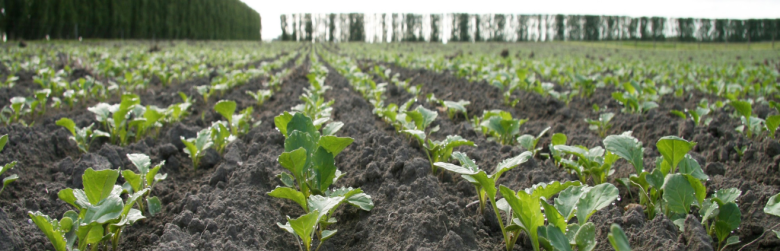
A firm, even, weed-free seedbed is essential for cultivated paddocks. Bury previous crop or pasture residues to reduce the risk of pests and diseases. Sow seed shallow (no more than 10 mm) to ensure good, even establishment of the crop. A level seedbed with good consolidation helps achieve even sowing depth.
Direct-drilling
Direct drill where cultivation is not desired or appropriate. Pests can be a major issue; dead vegetation provides an ideal habitat, particularly for springtails and slugs. Use insecticides to reduce damage, and sow treated seed. Slug bait is normally essential.
Remove as much turf as possible through hard grazing before sowing to reduce trash, and make drilling easier. Nitrogen fertiliser requirements are usually higher as nitrogen is tied up in decaying vegetation.
Seed treatment
Insect and fungal damage can be catastrophic to seedling brassicas, and Agricote Brassica seed treatment is always advised. Treated seed cuts the risk of crop damage and failure.
Weed control
Weeds compete strongly with brassica seedlings and must be controlled at establishment. Pre-emergence herbicides can be incorporated into the seedbed before sowing.
Monitor weeds closely. Selective herbicides are most effective at certain weed sizes, and spraying is most effective before crop closure. If not controlled early, weeds can cause major issues in the following season’s crop, so it’s important to prevent them seeding.
Monitoring insects & diseases
Pests can seriously damage brassicas throughout the life of the crop. Monitor crops daily for the first 14 days after emergence, then weekly (see Brassica pests). Leave 5-7 years between brassica crops to reduce the risk of soil-borne diseases.