
Foraging for reliability and resilience
What’s the perfect antidote to stressed brown summer paddocks?
Homegrown leafy greens, fast growing, super nutritious and self-harvested by your animals.
Forage crops have complemented pasture on NZ farms for over 150 years.
Their versatility makes them the Swiss army knife of seasonal feed, more so now than ever in today’s erratic climate.
But don’t just take our word for it – instead, find out how one summer staple keeps cows milking well through hot, dry days, and balances the feed budget in more ways than one.

Never looked back
Seventeen years after first sowing chicory to help recover from record-breaking drought, Louise and Tony Collingwood have never looked back.
The only change they made after year one was to use an annual cultivar instead of a perennial, because the perennial was hit by fusarium wilt in winter and half the plants were gone the following spring.
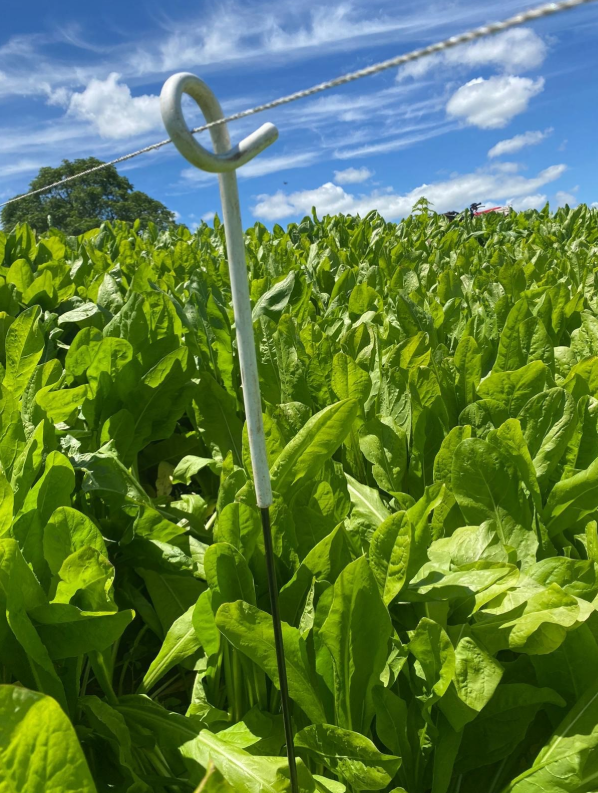
Now, every October, they direct drill 10% of their 100 ha (eff) Waikato milking platform with 501 Chicory to graze from Christmas through to early April.
The goal? Avoid having to dry cows off early because of minimal grass growth in frequent hot, dry summers.
Instead, keep the girls milking well so when rain does come, and grass starts growing again, the herd achieves a full lactation.
‘A lottery’
Louise and Tony are in their 21st season on the farm, spring calving 350 cows on a System 4 for long term average production of 145,000 kg milksolids a year.
Cows are wintered on; young stock are grazed off until their first calving. and purchased supplements include palm kernel and maize silage.
Summer is their biggest limiting factor: “We calve 12 July, and aim for peak production before Christmas. Pasture growth is guaranteed from May to December, but January to April is a lottery,” Louise says.
Chicory started as a post-drought response. But it has since become integral for both annual pasture renewal and ensuring a green crop for cows to eat when the rest of the farm is brown.
“Turnips didn’t really fit what we wanted. A lot of people had them in the 2007/2008 drought. But they’re sown in October, fed in January and gone by the end of February, whereas we need feed to the end of April.”
Rules for success
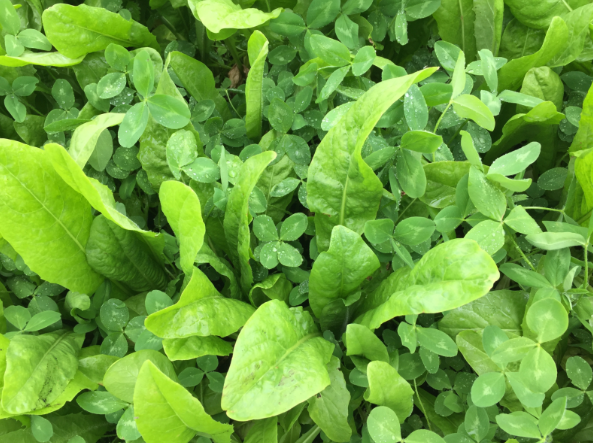
Early on, paddocks were cultivated for chicory. But that only served to ‘bring all the weed seeds from 100 years of dairying’ to the surface of their mostly ash soils.
Hence direct drilling, made easier by Louise and Tony buying their own drill in 2010.
“We bought a double box Duncan, and Tony drills everything himself. It’s been a game-changer for us.”
The Duncan means better establishment of new pasture after crop, too, not least because they can sow clover seed at the right depth.
Their other must-do for bumper yields of 501? Multiple applications of slug bait. At least three dressings of 5 kg per ha (after spraying, at sowing and post germination) with a fourth if pressure is high.
“There’s no point spending all that time and money taking the paddock out of rotation and then having a poor crop.”
Annual works best
DAP is applied at planting, and urea at canopy closure. In a drought, they can also spread watery effluent on some paddocks to add moisture to 501.
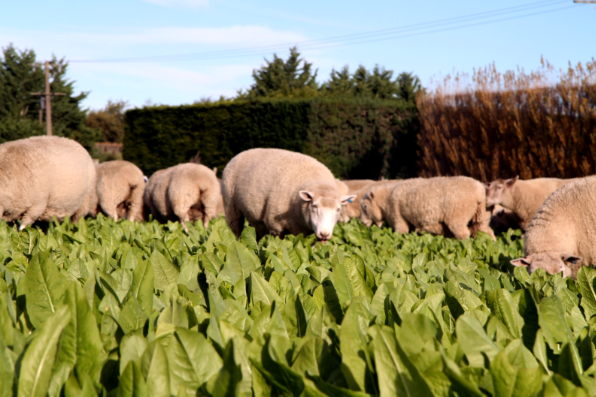
Grazing management depends on the season, either big all-day breaks, or strip grazing for a couple of hours in the mornings.
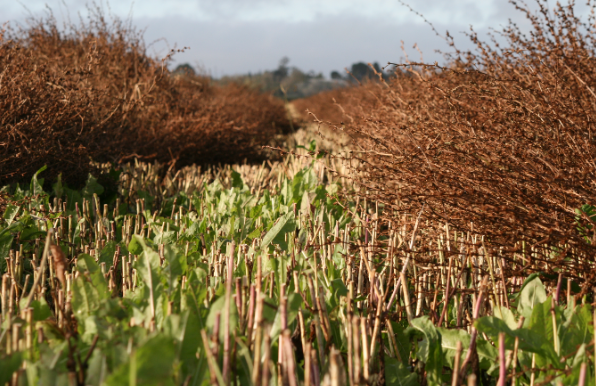
Crops are sprayed out late March, and mostly re-sown with perennial pasture.
Have they ever considered going back to a perennial cultivar? “No. I’m not convinced it’s worth having it out for so long. I love our 501, but there are still two shoulders of the season in spring and autumn when those paddocks aren’t being grazed and that’s enough.”
Want to know more?
For more helpful advice about forage crops let us know! And remember you can book a free Pasture Health Check, too.

Book a free pasture health check
Click here to request a free on farm pasture health check with one of our local experts.