
Fresh findings on survival science for seed
It took two years and nearly 5000 fiddly, time-consuming tests, but science has proven there’s only one way to really look after a tiny organism underpinning your farm business. And how we package and deliver it to you is part of on-going research.
Behind our recent warnings to farmers - to make sure your ryegrass seed comes from the right, informed supplier - there’s been a lot of testing ‘under the bonnet’ into seed quality and packaging.
This Insight is about a challenge unique to New Zealand – how to keep endophyte alive and well between the time it leaves a seed growers’ paddock, and the time it’s sown on your farm.
From polypropylene and perishability to flourishing pasture, here’s why stewardship matters.
Cool customer
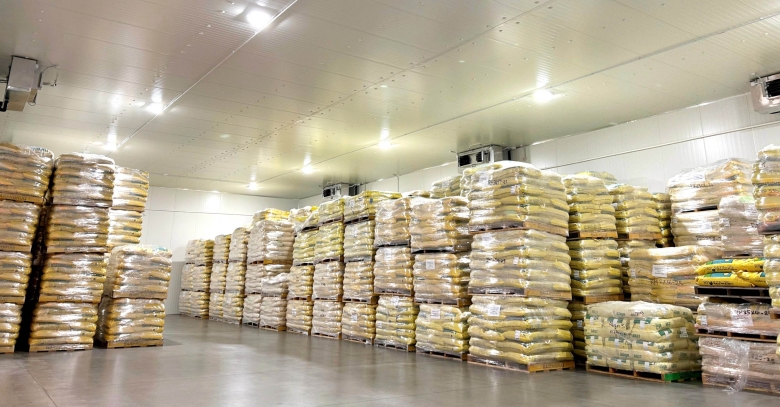
Endophyte is very fussy about where it lives when it is not actively growing in ryegrass. Its Goldilocks survival zone is 4oC with 30% relatively humidity. In other words, cold, and drier than you can imagine.
Barring places like the Gobi Desert, nature rarely provides. The closest we might get here is a clear winter morning in the Mackenzie Basin.
Endophyte’s sensitivity to heat and especially humidity is the main reason so much NZ grass seed comes in polypropylene bags.
The rest of the world is moving to paper. But we haven’t, because the rest of the world (except Australia) doesn’t use endophyte like we do. And until recently, no-one knew how long endophyte would survive here in paper-based packaging.
Remember, for most ryegrass, there’s at least 12 months between seed harvest, and sale.
Dead endophyte = dead pasture. Not good. But polypropylene = farm waste. Also not good. Time to call in the scientists.
Bags of data
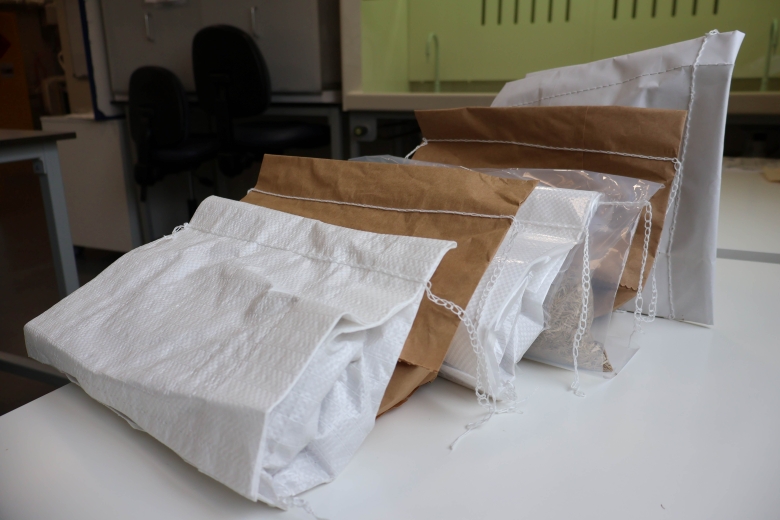
Six different types of bag. Two perennial ryegrass cultivars, each with a different endophyte. Three storage environments. Three replicates. Four performance metrics.
Those looking for answers to the question of plastic vs paper seed packaging were nothing if not thorough when they set up their study in 2023.
Led by Lincoln University’s Dr Aung Myo Thant, and funded by the Seed Industry Research Centre, they repeatedly tested seed moisture content, germination, vigour and endophyte viability over two years of storage.
The key takeaway of all this work for any Kiwi farmer who depends on endophytic seed for pasture performance and persistence? Storage before it gets to you is everything. Packaging made no significant difference.
What they said
“Endophyte viability was the quality factor most influenced by storage environment,” the scientists reported.
“In cool storage, the viability of both endophyte strains after one year of storage did not differ from that before storage and viability did not differ among bag types.
“However endophyte viability had declined rapidly in both ambient and warm storage conditions with higher temperature accelerating the loss.
“Only cool storage was able to maintain viability above 70%, the commercial threshold for endophyte-infected perennial ryegrass seeds.”
For ‘cool’, see Goldilocks zone/Gobi Desert above.
Ambient translates to 15-25oC, with 65% relative humidity, similar to inside a storage shed in the upper North Island in autumn. Warm is 25℃, with 80% relative humidity – think Fiji in the wet season.
What they did
Testing seed to confirm the presence of endophyte is relatively quick and easy. Finding out whether it’s alive and over the 70% commercial threshold is a different story!
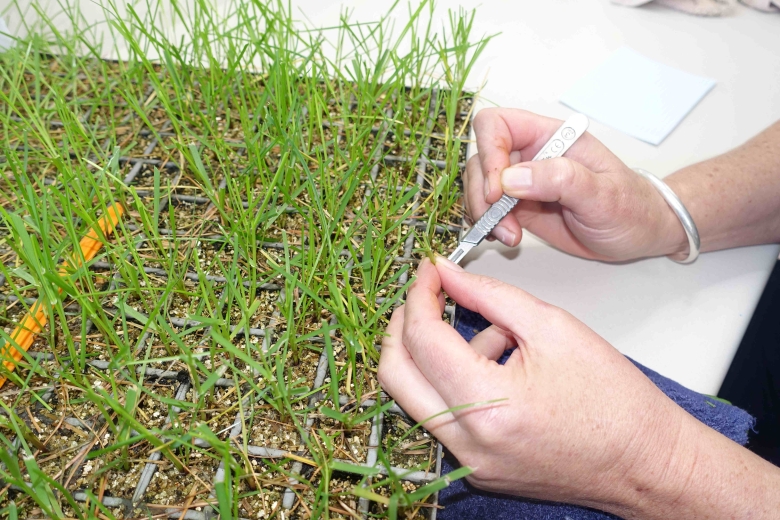
For this, you have to sow seed in a glasshouse, wait five to six weeks for it to grow, then hand cut a random selection of baby tillers and check whether endophyte is in the plant tissue.
Renowned seed scientist Dr Phil Rolston, from the Seed Industry Research Centre, worked with Dr Thant on the project, and they say the team had to process a total of 4800 tillers to ensure robust endophyte data.
So far they’ve only reported the first year of results for seed quality and endophyte viability. More findings will follow.
The team is also now looking into the relative material strength of paper seed packaging, and critically, its carbon footprint. Whether paper bags are actually more emissions friendly than plastic remains to be seen – all have to be imported.
Due diligence
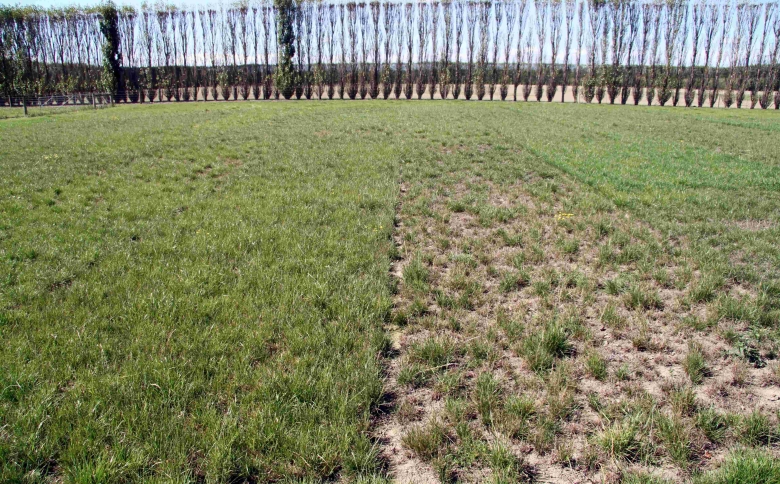
All you have to do is look at a dead pasture to realise the risk of sowing perennial ryegrass seed which has lost endophyte during storage.
If you’d rather avoid it altogether, make sure whatever seed you buy this autumn has been properly cool stored from harvest to dispatch.
We’re heavily invested in getting endophytic seed to you in perfect condition, with industry-leading cool storage facilities in both the North and South Island, because we want you to succeed.
Contact us anytime to talk endophyte, or pastures in general. We’re here to help!
Book a free pasture health check
Click here to request a free on farm pasture health check with one of our local experts.