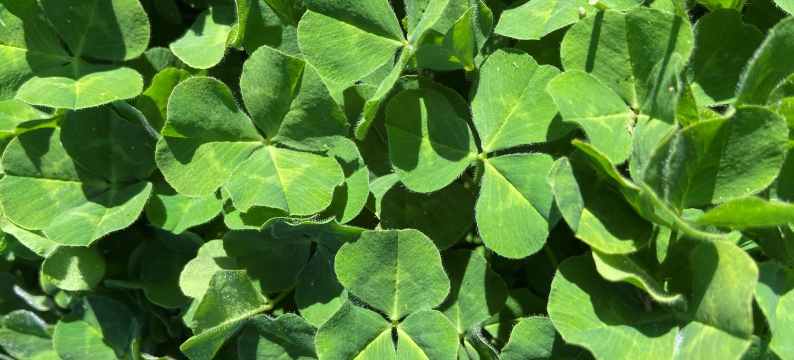
Campeda Subterranean clover
-
High energy legume for finishing animals
-
good winter-spring yields
-
great all rounder
Campeda is ideal for most farm systems. It is a true sub clover, with high levels of hard seed, good winter-spring yields, and a medium flowering date.
Dense & leafy
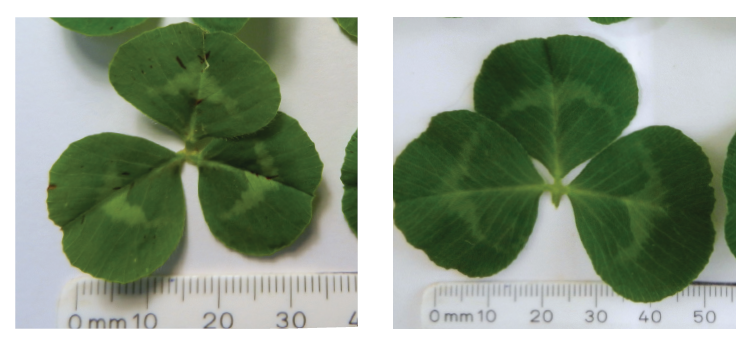
Campeda is a great all rounder, with prostrate to semi-erect growth producing a leafy, dense sward. It has strong winter vigour, and produces high seed yields to help build a seed bank in the soil. Plenty of hard seed (29%) supports long term persistence.
Sub advantage
Sub clover is the most widely sown annual legume in NZ. It is normally mixed with grasses and white clover on hill country, and grows well on drier areas, slopes and soils. It grows 4-6 weeks earlier than white clover, providing valuable early quality feed, and nitrogen fixation.
Management
As an annual, Campeda must be allowed to set seed to survive. In year 1, lightly graze paddocks, then rest them during flowering in late spring, to allow seed set.
This process needs to be repeated about every 5 years. Equally important is managing a good establishment of re-seeded Campeda in subsequent autumns. It hates trash, so in early autumn graze pastures hard, to 700- 1000 kg DM/ha. This creates space for new seedlings. After a good strike, spell the paddock until seedlings have developed at least four trifoliate leaves.
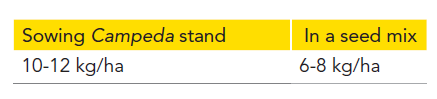
Sow in autumn. If drilling seed, sow shallow at a depth of ≤10 mm.
Oversowing Campeda
Sub clover is often oversown into hill country, and interest has recently increased with the availability of drones. For success this should be planned carefully, ensuring areas are well grazed out. Sowing once autumn rains come, and trampling seed in with stock are proven techniques.
If the paddock does not have a history of sub clover, we recommend inoculating the seed with the specific rhizobium bacteria (Group C) immediately prior to sowing.
Campeda seed is relatively large (about 10 times heavier than white clover), and has good ballistic properties if oversowing. We do not coat Campeda, as this would create problems in inoculating it with rhizobia.

Campeda Subterranean clover